The Rarely edit / From Japan

Good things.
Thoughtful makers.

Steel, glass, color, graphite.
Four different starting points.
The same care for the everyday.

Meet the makers
Sunlit worktable with raw steel, clear glass, cream paper, graphite and ochre pigment.
01 / A single sheet of steelOsaka, Japan · Est. 1969

Toyo

A place for the things
you keep.

Toyo began in Osaka in 1969 with a deceptively simple idea: draw a toolbox from a single sheet of steel. No seams. No unnecessary pieces. Just a useful object, made with care.

That industrial beginning still shapes the work. Rounded edges, satisfying closures, and a form that feels as at home on a desk as it does in a workshop. What goes inside is up to you.
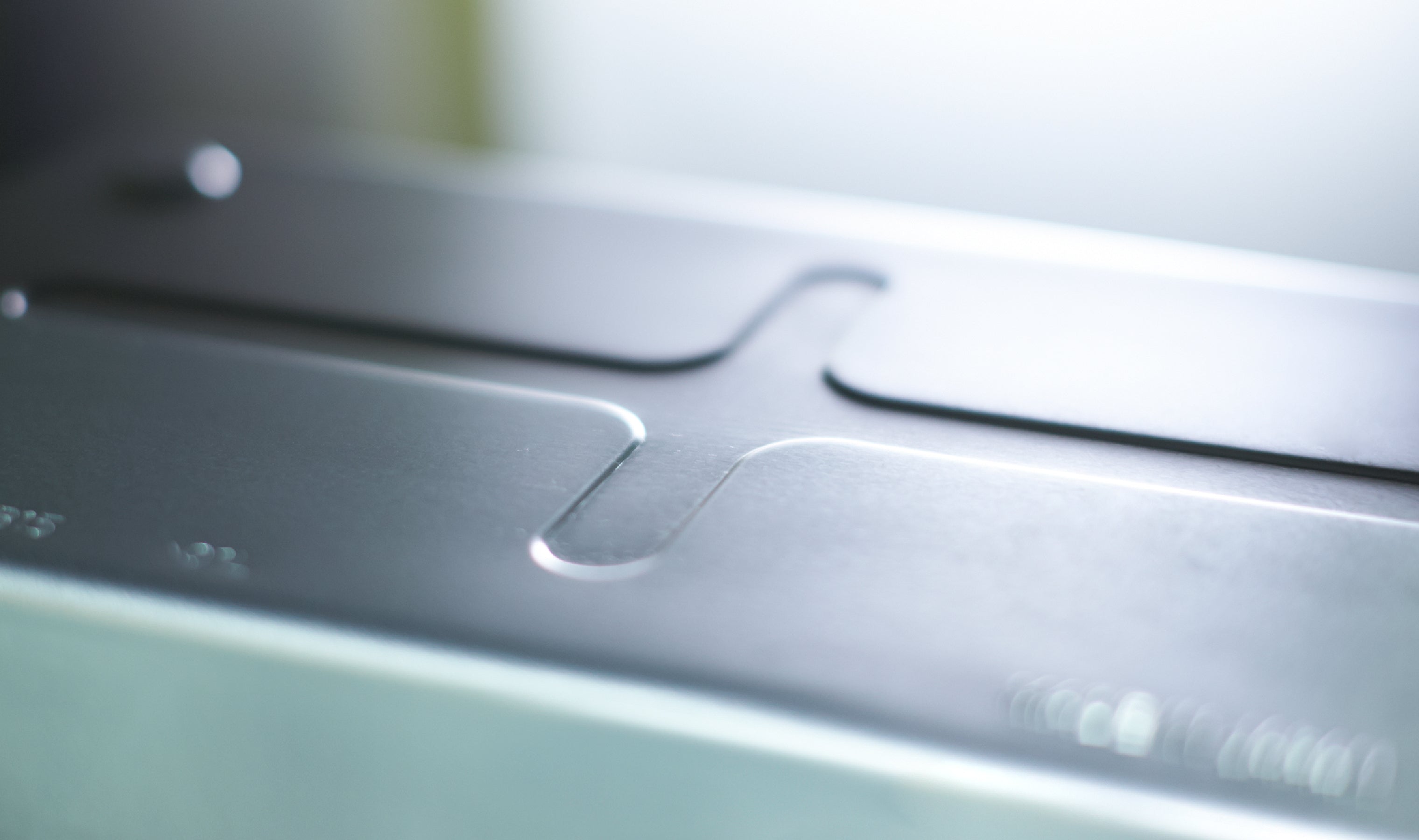
Steel taking shape at Toyo.
02 / From the laboratory to the kitchenTokyo, Japan · Est. 1921

Hario

A century of curiosity.
A better morning cup.

Before Hario became a familiar name beside the coffee kettle, it made glass for laboratories. Hiromu Shibata founded the company in Tokyo in 1921; household coffee equipment followed in 1948.

The V60 arrived in 2005 after years of experimentation. Its cone, spiral ribs, and open base give the brewer room to explore. A little of that laboratory spirit, carried into an everyday ritual.

Hario’s name above the door.
03 / A little color, every dayIshikawa, Japan · Est. 1925

Takenaka

Lunch deserves
a little ceremony.

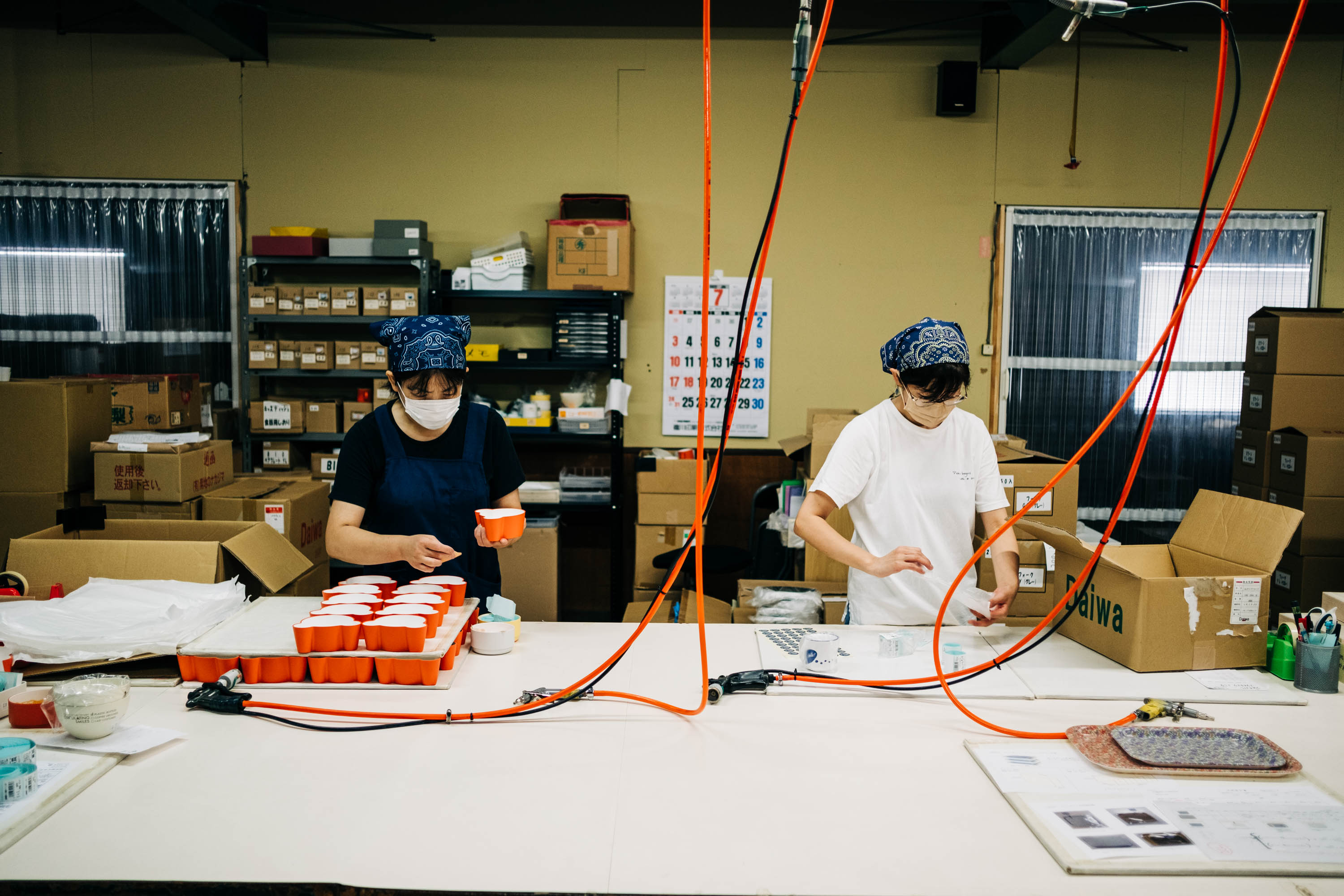
Takenaka’s story begins in 1925 in the Yamanaka Onsen district of Kaga, a place with a long lacquerware tradition. Its early bento boxes were colorful and hand-painted, bringing care and character to the daily meal.

Today, that affection for color lives on in simple, hand-polished designs. A pleasing shape. A color you reach for. Small details that make packing lunch feel like something worth doing.

Inside Takenaka’s workshop.
04 / The beginning of an ideaTokyo, Japan · Est. 1913

Tombow

Before the finished thing,
there’s a pencil.

Harunosuke Ogawa opened his pencil business in Tokyo’s Asakusa neighborhood in 1913. The dragonfly mark followed in 1927. For Tombow, the humble tools of writing and drawing became a lifelong pursuit.

The 8900 pencil first appeared in 1945 for photo retouching. Decades later, it still invites the same simple act: put a mark on paper. A sketch, a note, a first thought. Somewhere to begin.

Keep exploring / From Japan

A little more Japan
in your everyday.

The rest of the collection, beyond the pieces featured above.

Maker notes & photography

The header is an AI-generated editorial still life inspired by the makers’ materials. Stories drawn from the makers’ own histories. Maker photography courtesy of the linked maker websites; product images from Rarely.

Icons: Streamline Core Line · CC BY 4.0